


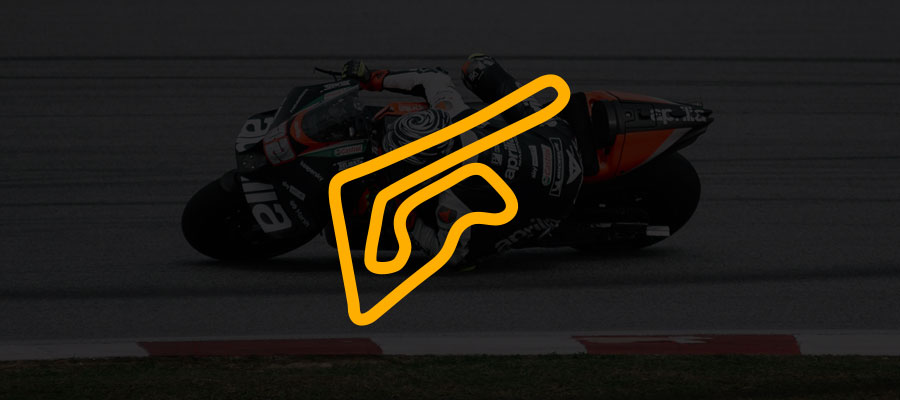
The Buriram circuit, designed by renowned architect Hermann Tilke, is a 4.6 km masterpiece that hosts an exciting range of corners, elevation changes, and high-speed sections. The track’s layout, which consists of 12 corners and a long straight, is particularly challenging for riders, requiring them to balance top-end speed with technical cornering precision. Riders face a dynamic mix of acceleration zones, hard braking, and sharp turns, making it a test of endurance, skill, and tactical brilliance.
What makes Buriram even more captivating for both riders and fans is the often unpredictable weather. With the tropical climate, rain showers are common, turning the track into a slippery challenge that can change the entire complexion of the Free Practice sessions. This element of unpredictability keeps everyone on edge, from the teams tweaking their setups to the spectators watching eagerly.
Free Practice: Setting the Stage for the Weekend
Free Practice (FP) sessions play a crucial role in setting up the riders for qualifying and the main race. It’s not just about getting the fastest lap times, but also about fine-tuning the motorcycle for the specific demands of the Buriram track. These early sessions offer teams a chance to experiment with tire choices, aerodynamics, and suspension settings, all of which are pivotal when the competition intensifies.
The Riders: Dominating the Thai Circuit
Riders like Marc Márquez, Fabio Quartararo, and Francesco Bagnaia have shown time and again that they’re well-equipped to tackle Buriram’s unique challenges. In past seasons, Márquez has been particularly strong here, with his aggressive riding style making him a fierce competitor on the Thai circuit. However, the rise of new contenders and the level of competition means that every Free Practice session is a battle for supremacy.
The Free Practice sessions also provide the backdrop for some exciting head-to-head moments between rookie sensations and seasoned veterans. The younger riders, hungry for their first taste of glory, often use these early sessions to stake their claim, while the more experienced names, keen to maintain their championship aspirations, aim to keep the momentum in their favor.
The Importance of Free Practice for the Teams
Behind every fast lap is an army of technicians, engineers, and strategists working tirelessly to get the best performance out of the bike. The teams rely on the Free Practice sessions to collect valuable data. This information helps them tweak every aspect of the bike’s setup, from suspension stiffness to engine mapping, ensuring the riders have the best possible machine under them for the qualifying sessions and, eventually, the race.
The Fans: The Heartbeat of MotoGP
For fans, the Free Practice sessions are just as thrilling as the race itself. Watching the riders push their machines to the limit, taking on every twist and turn with a relentless pursuit of speed, creates a palpable energy in the stands. Buriram’s warm and enthusiastic crowd is one of the most passionate in the MotoGP calendar, and they make every Free Practice session feel like an electrifying prelude to the main event.
Download our app to stay up-to-date with all the riders’ stats.